
Sports sponsorship has undergone one of the most radical transformations in marketing history over the last 30 years. From the logo on the shirt to owning the stadium's name; from passive visibility to total integration into a club's identity. The journey is fascinating.
FC Barcelona and UNICEF: sponsorship in reverse
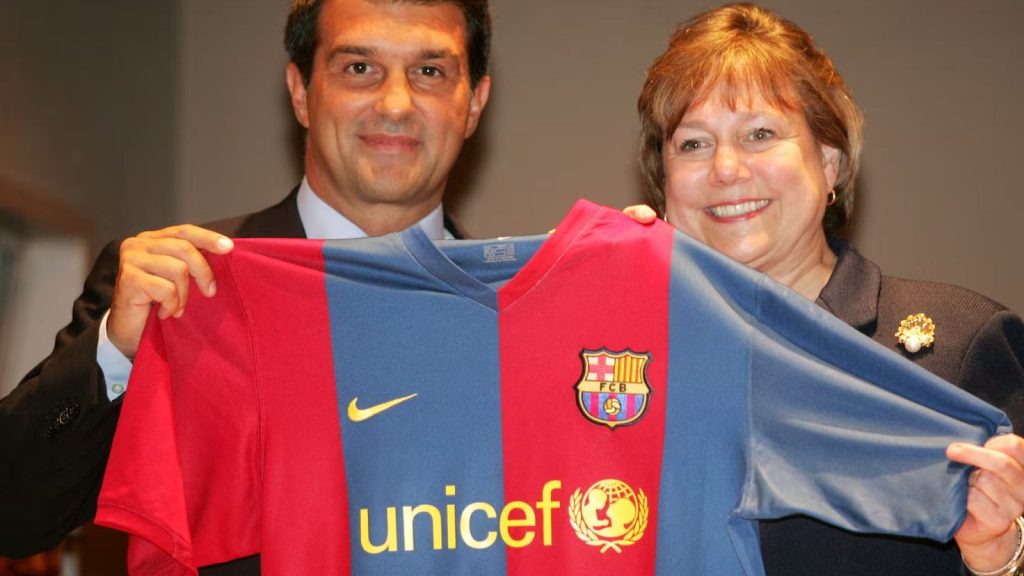
The FC Barcelona went its entire history without a sponsor on the front of its shirt. It didn't need one. And when it decided to have one for the 2006-2011 seasons, it chose UNICEF. But the curious thing is that it wasn't paid for it; quite the opposite: Barça donated 1.5 million euros to the charity to wear the logo. Sponsorship in reverse, in line with its «more than a club» philosophy.
Intel inside the shirt: the era of creativity
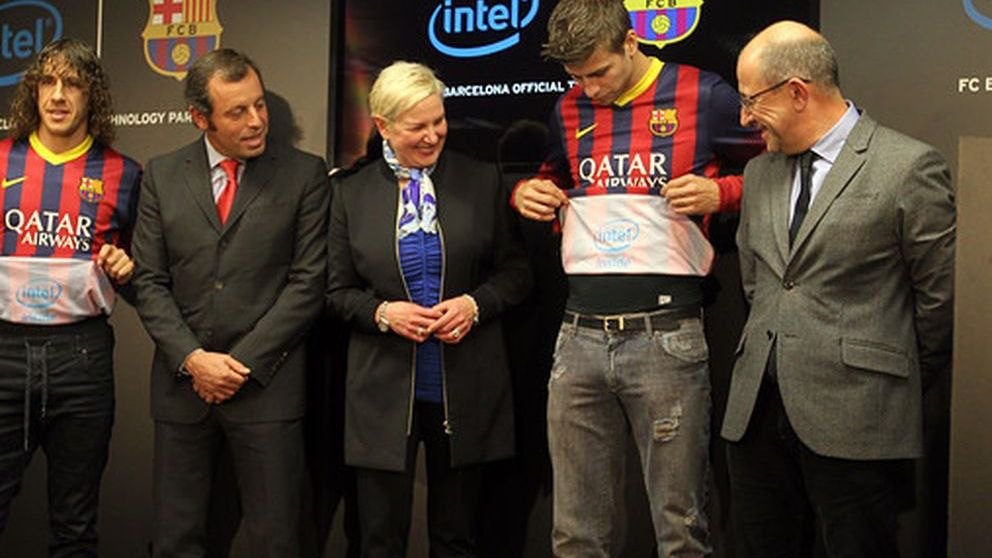
In 2013, FC Barcelona signed a deal with Intel whose logo was placed… inside the shirt. The idea was that it would only be seen at special moments, such as when a player lifted his shirt to celebrate. Today it would be almost impossible: no main sponsor would accept losing visibility. But at the time it was a huge stroke of creativity that showed sponsorship could go far beyond conventional visibility.
Spotify and the Camp Nou: when a brand buys identity
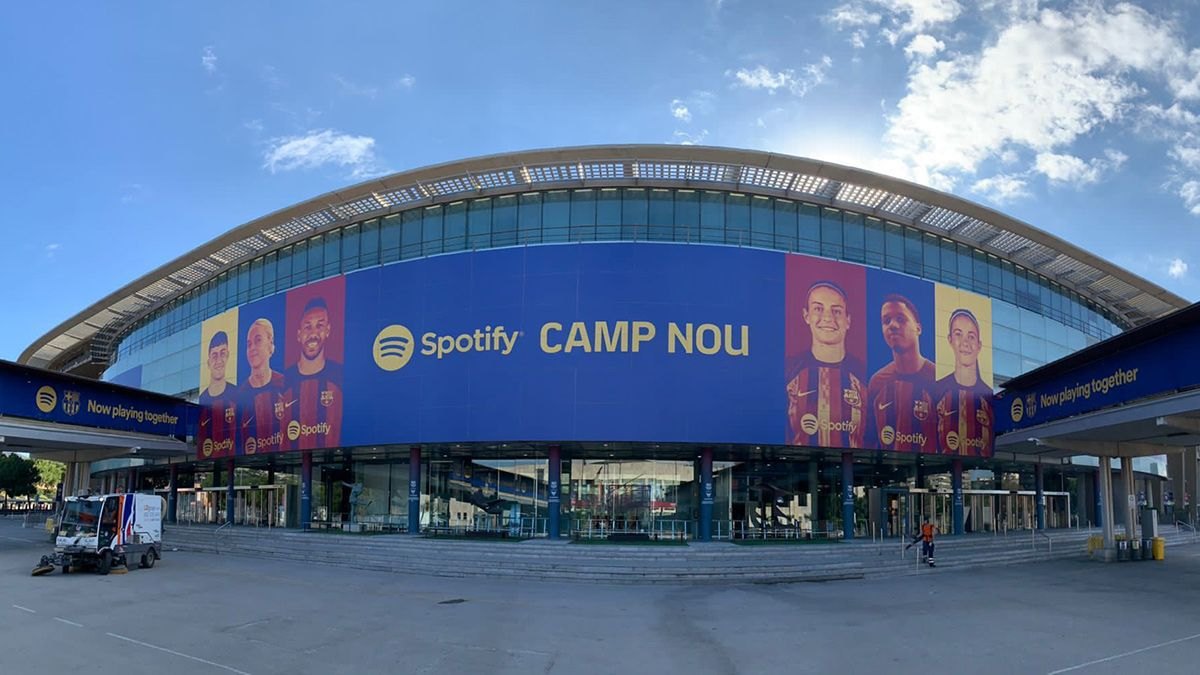
The quantum leap came with the deal between Spotify and FC Barcelona, worth more than 460 million euros. It doesn't just feature on the shirt: it also names the stadium, turning the Camp Nou into the Spotify Camp Nou. This represents a fundamental conceptual shift: brands no longer just want visibility, they want to own part of the club's identity.
Real Madrid and HP: the sleeve sponsor
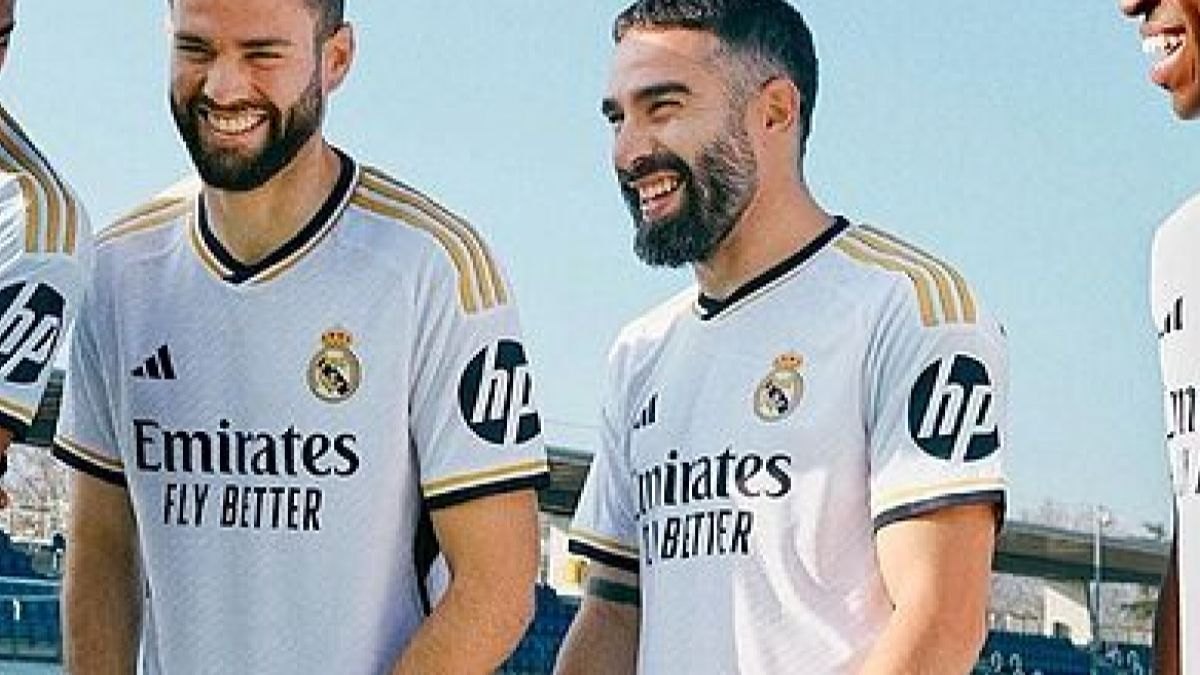
The Real Madrid, for the first time in its history, added a sleeve sponsor: HP, in a historic deal worth around 70 million euros that combines funding, visibility and technological transformation. The sleeve —until recently seen as a secondary space— has become a new prime space for shirt sponsorship.
Formula 1: brands that name teams
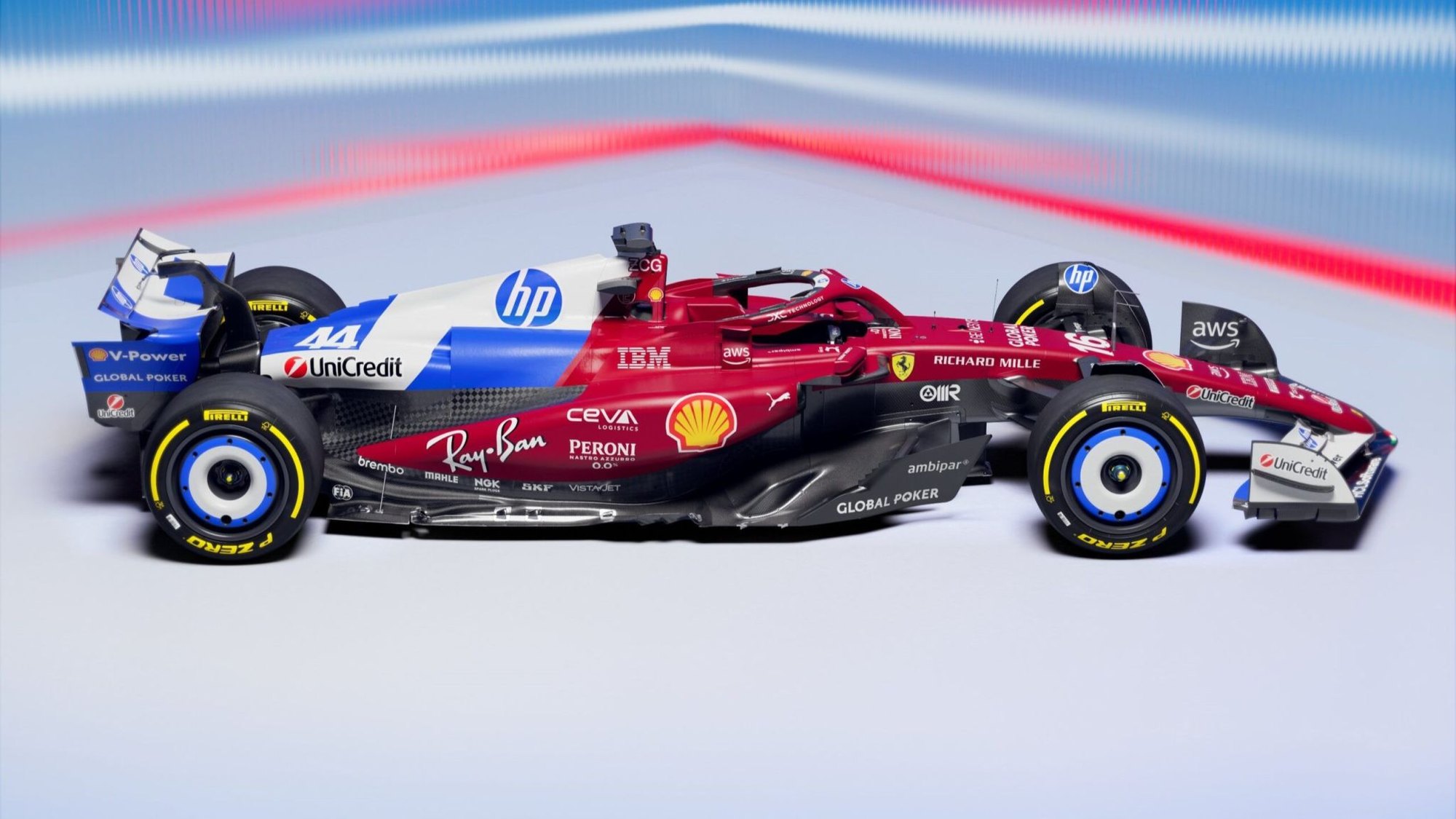
The phenomenon isn't limited to football. In Formula 1, sponsors now name entire teams: Red Bull Racing is Red Bull, Aston Martin F1 is also Aramco, and brands such as HP have gone straight into the identity of historic teams —Scuderia Ferrari HP— for around 100 million dollars per season. It's no longer «putting your logo on». It's becoming part of the team's DNA.
Where are we heading? The question that defines the future
We've gone from sponsor-free shirts, to charity sponsors, to hidden sponsors, to a point where you can sponsor the name of a stadium, a racing team, an academy or an entire competition. Sponsorship is no longer advertising. It's storytelling, identity and business. And the question is no longer «which brand will appear on a shirt?». The real question is: which brand will be able to completely redefine the identity of a club or a sport?
Gallery
Originally published on LinkedIn on 9 December 2025.