
The 2026 FIFA World Cup is leaving us with something far more interesting than goals and results. It is showing that football is no longer played only on the pitch. It is also played on Instagram, on TikTok, on social media. And the story of Vozinha, the Cape Verde goalkeeper, is the clearest example of what personal branding in sport means today.
From 50,000 to 13 million followers in days: the Vozinha phenomenon
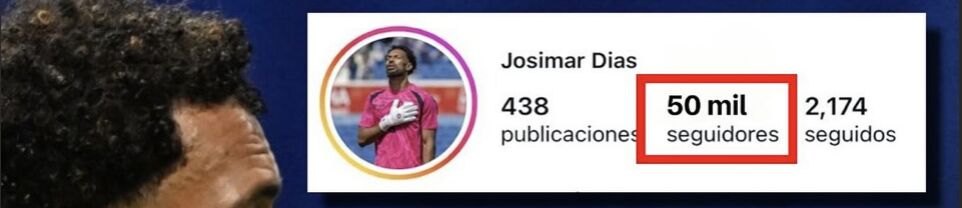
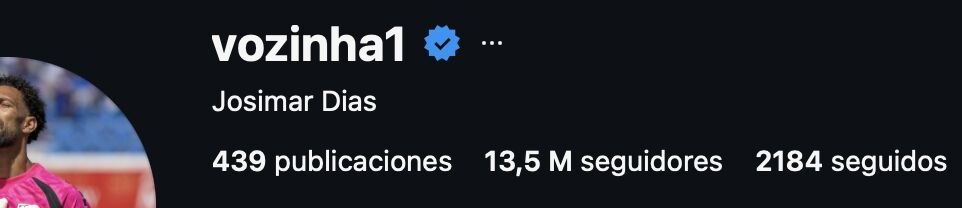
Just a few days ago, Vozinha was playing in the Portuguese second division and had around 50,000 followers on Instagram. After becoming Cape Verde's hero against Spain at the 2026 FIFA World Cup, he passed 13 million followers. In a matter of days.
To put it in context:
- He has more followers than many Spanish internationals with years-long careers.
- His following is several times the entire population of his own country.
- Some of his posts have generated engagement figures worthy of the biggest stars in world sport.
Tim Payne: the precedent that explains it all
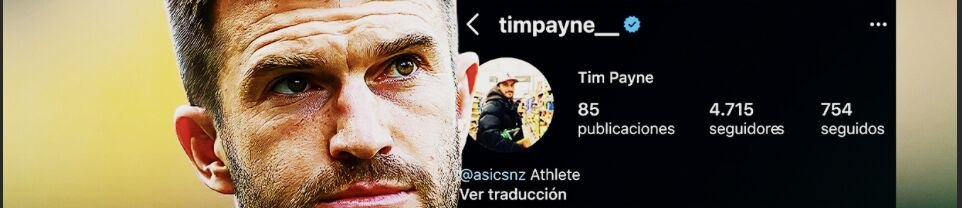
Vozinha isn't an isolated case. A few weeks earlier, something similar happened with Tim Payne, the New Zealand player who went viral for being the footballer with the fewest followers at the World Cup: he went from 5,000 followers to more than 6 million. The internet decided to make him a star. And now it has done the same with Vozinha.
This pattern tells us something very important about how sports marketing works in 2026: audiences choose their own heroes.
The paradigm shift: from the media to the users
For decades, traditional media decided who was famous in sport. They chose who made the front page, who got airtime on TV, who became a role model. Today, that decision is made by users and viewers.
The media used to choose who was famous. Today the audience decides.
And the 2026 FIFA World Cup is the biggest showcase on the planet. The difference from previous editions is that fame used to be shared among a few. Now it can reach anyone:
- A 40-year-old goalkeeper who had never played in a major league.
- A player completely unknown outside his own country.
- A national team that had never made international headlines.
What this means for sports marketing and personal branding
As a professional in sports marketing and brand activations, what I find most fascinating about this phenomenon is what it means for sponsorship and brand-building strategies.
Until now, brands invested in the big names: the Mbappés, the Vinícius, the Bellinghams. The reasoning was simple: the more followers, the greater the guaranteed reach for the sponsor.
But Vozinha shows us that the return on investment in sports sponsorship can come from completely unexpected places. A brand that had backed Vozinha before the World Cup would have gained exposure no budget could ever buy.
The World Cup no longer just creates champions: it creates personal brands
The conclusion is clear: the 2026 FIFA World Cup isn't just producing sporting champions. It is creating personal brands of incalculable value in record time. And that completely changes the rules of the game for sports marketing, sponsorship and audience building.
The question we should all be asking is: are we watching a football tournament… or the biggest influencer factory on the planet?
I think it's both. And I think the brands that understand that will have a huge competitive advantage in the coming years.
Gallery

Originally published on LinkedIn on 25 June 2026.