
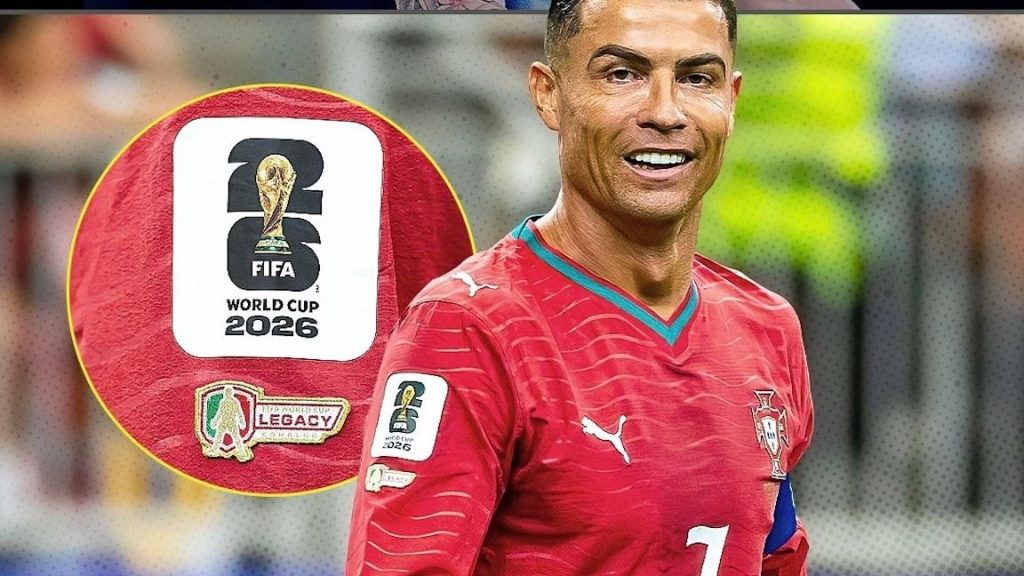
It's no longer a shirt: it's a story you wear. The 2026 World Cup in Canada, Mexico and the United States has introduced something that, at first glance, may seem like a detail but changes the way we understand the product.
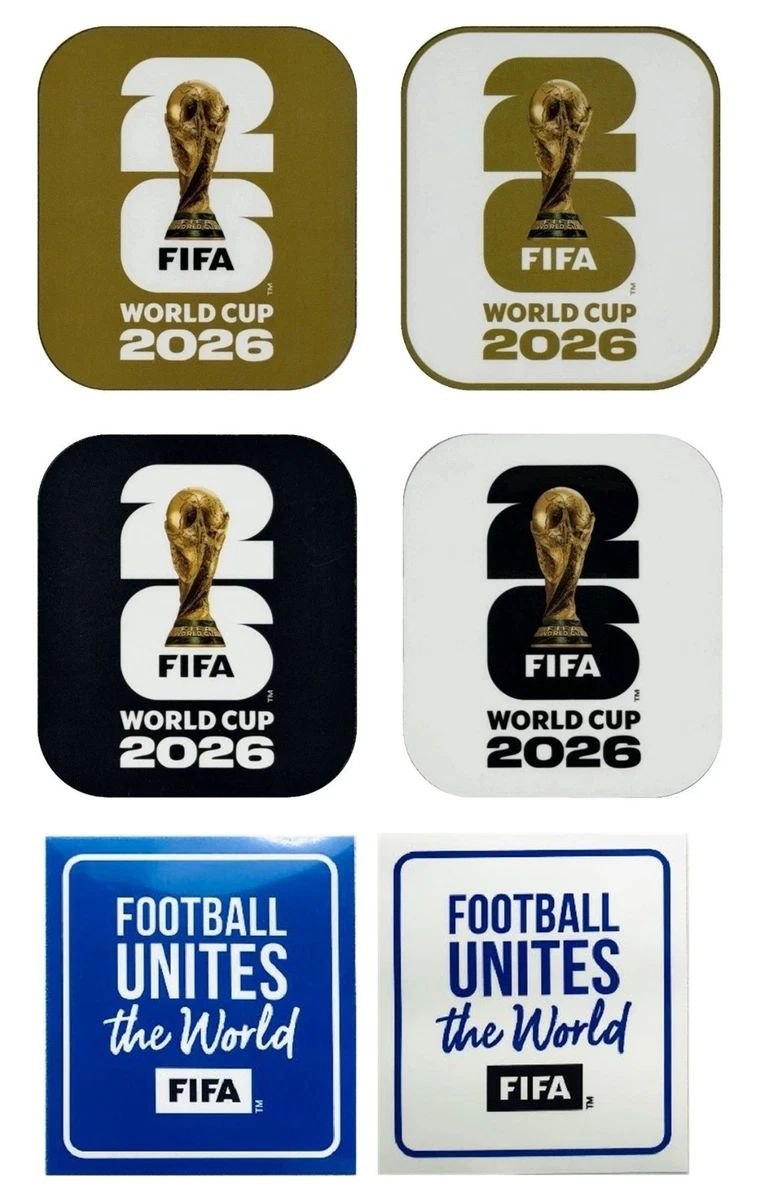
More than 12 types of patch
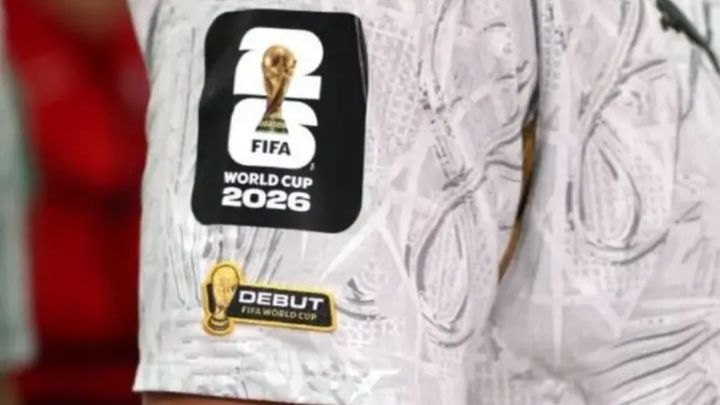
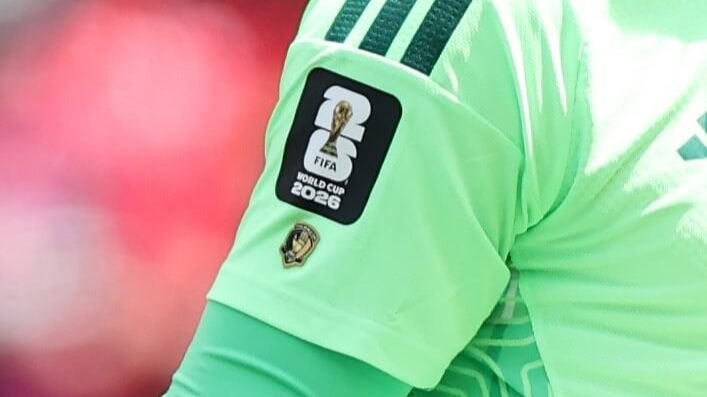
The FIFA has taken personalisation to another level with more than twelve types of patch. National teams that have never won a World Cup wear the logo in black; those that have won it at least once, in gold. And some patches change depending on how far each team goes in the tournament.
Individual badges for each player
There are also badges that recognise careers, achievements and key moments in the competition:
- Debut badge: a player's first World Cup match.
- Legacy: players with five or more World Cups.
- Golden Ball: best player of the tournament.
- Golden Boot: top scorer.
- Golden Glove: best goalkeeper.
We're no longer just talking about stars above the crest. Now we're talking about storytelling inside the shirt itself. A player can wear not only his country's crest but his whole journey: from a debutant starting his story to players like Lionel Messi, who could collect several badges after twice being the World Cup's Golden Ball winner, winning one and playing in more than five.
Why it's a very powerful marketing move
- It turns a global product into something unique.
- It adds layers of value without changing the base product.
- It turns a simple shirt into a piece with meaning.
The equation is simple: more personalisation, more perceived value; more story, more connection with the fan; more differentiation, more desire to buy.
From competing on price to competing on meaning
In the end, you no longer buy «a national team shirt». You buy a player's story. And for sports merchandising that's gold: each combination of patches is a different edition, tied to a specific moment in the tournament.
That's the key: when the product tells its own story, it stops competing on price and starts competing on meaning.
Gallery
Originally published on LinkedIn on 30 June 2026.