
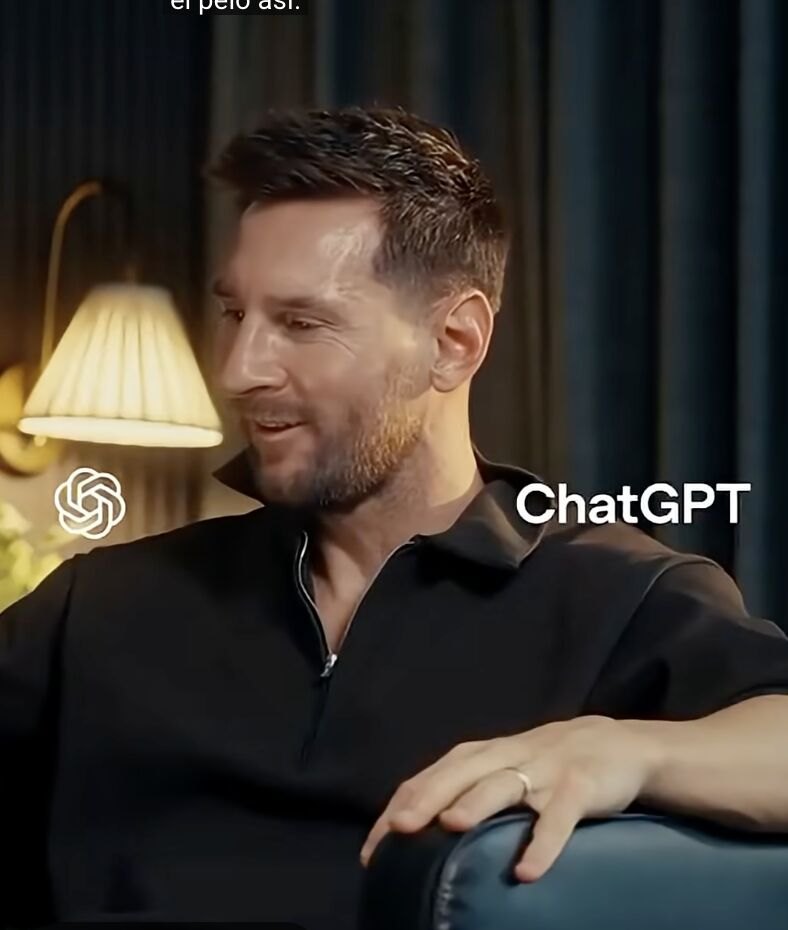
Messi hasn't just appeared in an ad: he has taken part in an attention strategy. OpenAI has launched a campaign with him in which the message is simple: use ChatGPT to transform an image, in this case with his hair dyed in Argentina's colours.
What matters isn't the feature, it's the context
We are in the middle of the 2026 World Cup. In this setting, anything that happens with Messi stops being advertising and becomes a global conversation. The move is clear: OpenAI isn't selling an artificial intelligence tool. The product is woven into the language of football, fandom and national identity.
The other player: Google Gemini and the Argentina national team
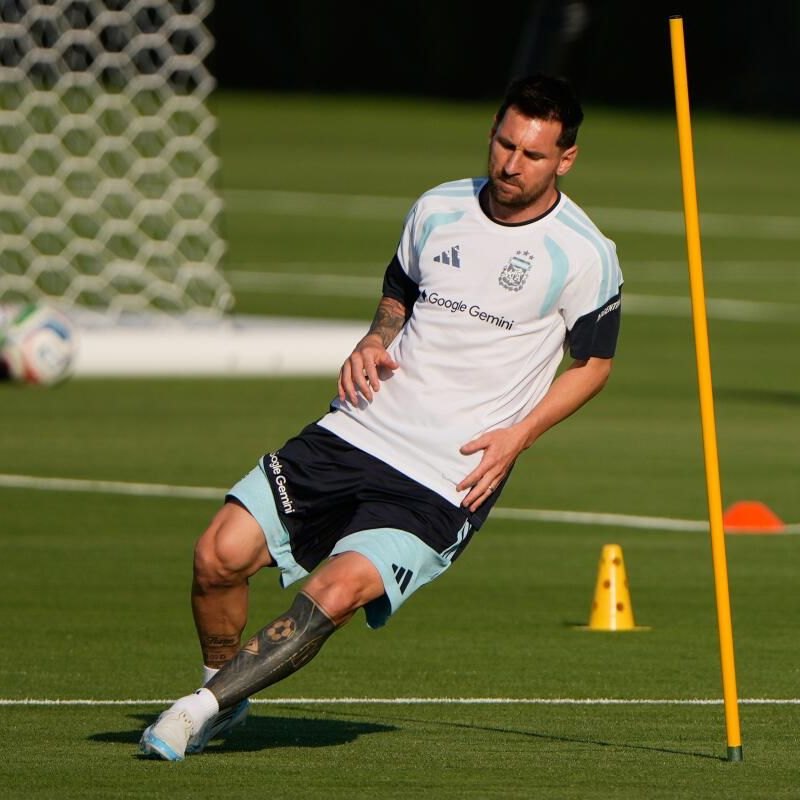
Meanwhile, there is another player on the board that hardly anyone is watching. The Argentine Football Association already has Google Gemini as the sponsor of its training kit. In other words, Google isn't just part of the AI conversation: it is inside the physical ecosystem of the world champions.
Two different strategies
- Google Gemini: structural integration within sport.
- OpenAI (ChatGPT + Messi): cultural impact and instant virality.
Put another way: Google buys presence; OpenAI buys attention. One builds inside the system. The other bursts into it.
And Messi is the perfect bridge between both worlds: the most global sport on the planet and the technology that wants to be just as global.
Sponsorship is now measured in conversation
This is no longer about AI. It's about who manages to occupy the user's mind first when the match kicks off and when the ad ends. Classic sponsorship guarantees repeated visibility over years; a campaign with an icon guarantees a spike in attention at the moment of peak audience. Both strategies can coexist, but they say a lot about how each brand understands its relationship with fans.
Because in 2026 sponsorship isn't measured only in shirts. It's measured in conversation. Who do you think is winning this game?
Gallery
Originally published on LinkedIn on 2 July 2026.