
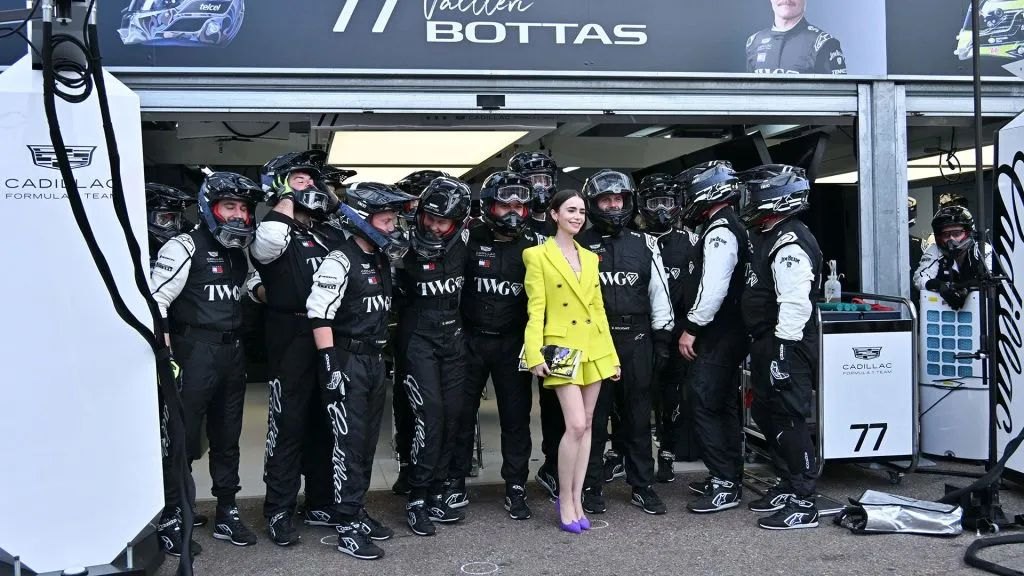
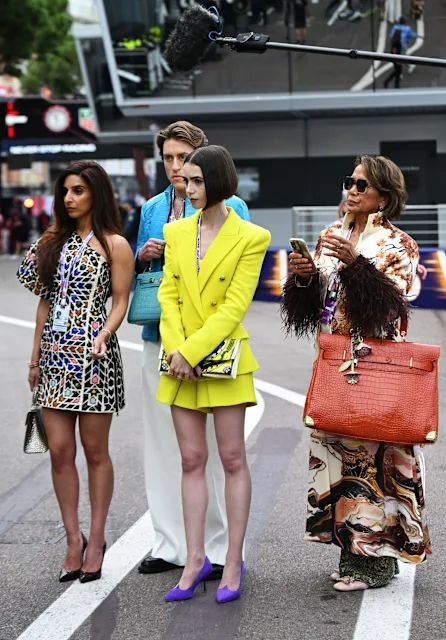
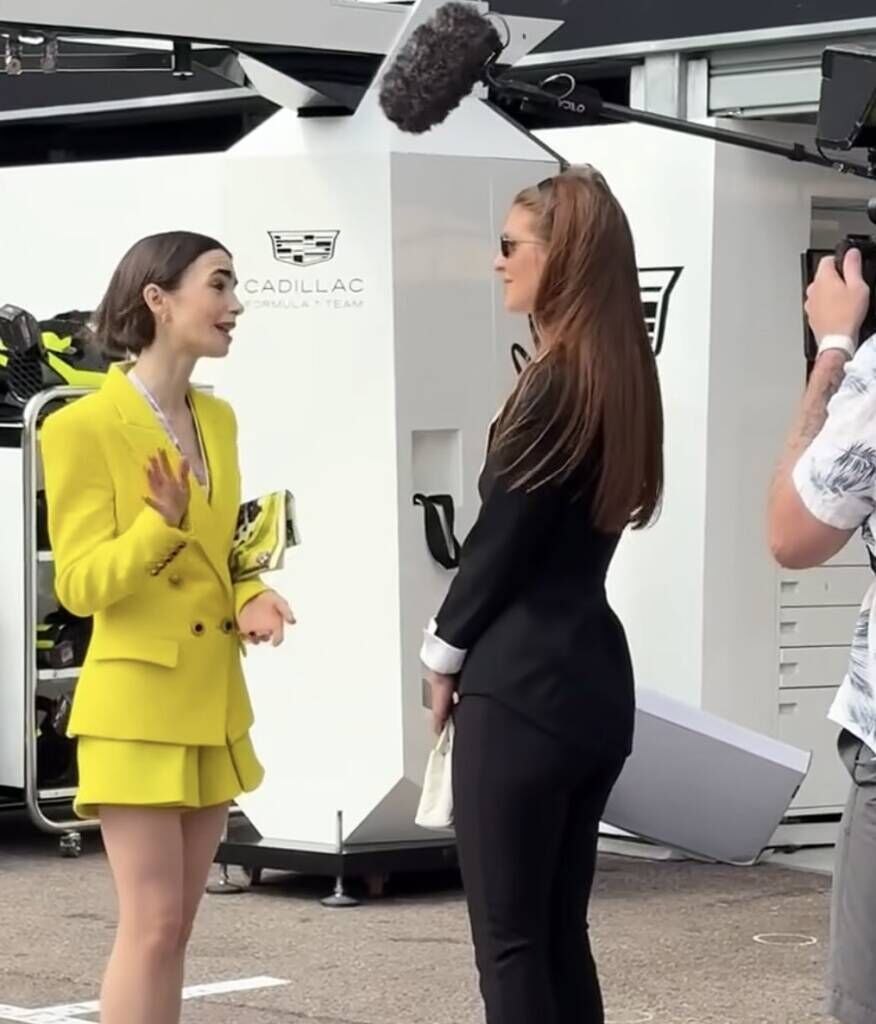
During the Formula 1 Monaco Grand Prix, cameras caught something unexpected in the paddock: the production team of Emily in Paris (Netflix) filming scenes for the new season alongside the Cadillac Formula 1 Team. It's no coincidence. It's strategic coherence. And from the point of view of sports marketing and branded content, it's a move that deserves an in-depth analysis.
The Tommy Hilfiger connection: more than product placement
The Cadillac Formula 1 Team is sponsored by Tommy Hilfiger, whose ambassador, actor Lucien Laviscount (Alfie in the series), is also a key piece of Emily Cooper's universe. The series' presence in Monaco is no narrative coincidence: it's the convergence of three worlds —fashion, sport and entertainment— in the biggest luxury showcase on the planet.
This is branded content in its most sophisticated form: when the brand doesn't just sponsor the event, but becomes part of the story's narrative.
Why Monaco is the perfect setting for luxury marketing
Monaco is far more than a stop on the calendar of Formula 1. It's probably the place where luxury, fashion and power are most concentrated per square metre all year round. In that context, Emily Cooper's presence makes perfect marketing sense:
- It's where global luxury consumption trends are born
- It's where premium brands, A-list celebrities and economic decision-makers meet
- It's where a well-executed brand activation can reach tens of millions of viewers
Formula 1 as a lifestyle and luxury platform
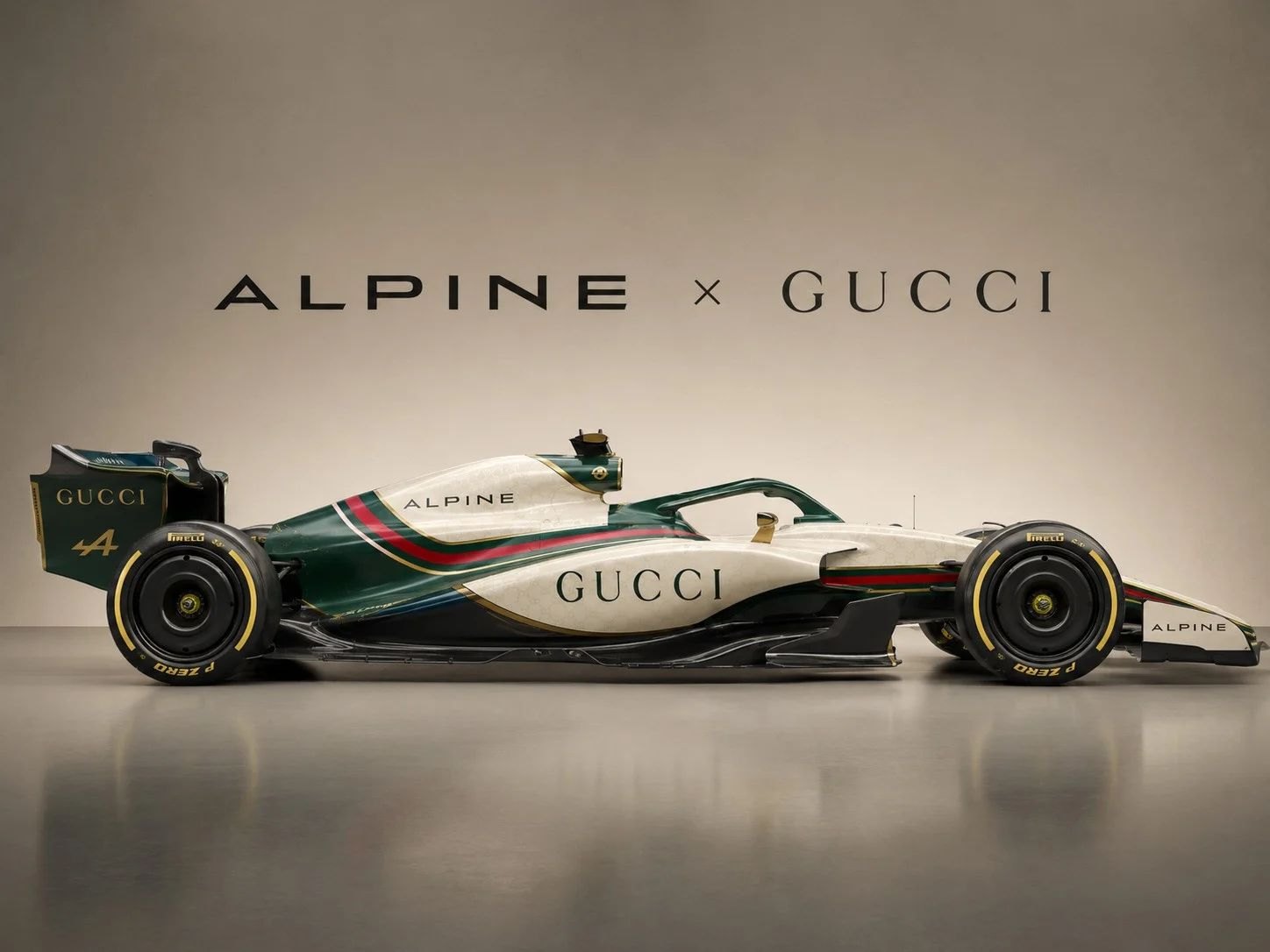
The entry of LVMH into Formula 1 with brands such as Louis Vuitton and TAG Heuer, along with collaborations such as Alpine x Gucci, confirms that F1 has completed its transformation. It's no longer just a motorsport: it's a global lifestyle.
The figures back up this transformation:
- F1's audience has grown exponentially since the Netflix documentary series «Drive to Survive»
- 40% of new F1 fans are women, a demographic that historically wasn't a priority
- Luxury brands have found in F1 an environment that combines exclusivity, technology and internationalisation
Emily Cooper as a marketing character: living the brand
Emily Cooper has always stood for a very specific philosophy of marketing: living it, getting out on the street, connecting, spotting opportunities. She is the fictional embodiment of the kind of marketer any agency would want: someone who doesn't just execute strategies, but lives them.
Taking her to the paddock of Formula 1 is the character's natural evolution. If there's one place where you can see the best brand activations, cross-industry collaborations and storytelling at its highest level in real time, it's the Monaco circuit over Grand Prix weekend.
What this move teaches us about the future of branded content
Emily in Paris's presence in Monaco leaves us with several lessons for any professional in event marketing and sports sponsorship:
- Coherence is key: the series, the fashion brand and the sporting event share the same universe of values (luxury, aspiration, internationalism)
- Entertainment and sport are no longer separate worlds: audiences consume both in an integrated way
- The most effective branded content goes unnoticed: when Tommy Hilfiger appears in an Emily in Paris scene in Monaco, you don't feel like you're being sold something
The future isn't about choosing between sport and luxury, or between entertainment and advertising. It's about connecting them so the audience feels the content and the brand belong to the same universe.
And right now, few industries are doing it better than Formula 1.
Gallery
Originally published on LinkedIn on 11 June 2026.