

Being president of Real Madrid isn't just about winning trophies. It means managing one of the most powerful and valuable brands in the world, valued by Forbes at around 10 billion euros, the most valuable club on the planet. The recent presidential elections at the Madrid club have been a masterclass in political and sports marketing that deserves analysis from the perspective of brand marketing and sports asset management.
The requirements to run Real Madrid: a unique barrier to entry
Standing for president of Real Madrid isn't within everyone's reach. The requirements are extraordinarily demanding:
- Spanish nationality
- 20 years of uninterrupted club membership
- A personal guarantee of around 200 million euros
That last requirement is especially significant. You can't bring in outside investors. If the management is poor, the president answers with their personal wealth. It's a governance model that makes Real Madrid radically different from the corporate-owned clubs that operate in the rest of the world.
Election campaigns: political marketing in the service of sport
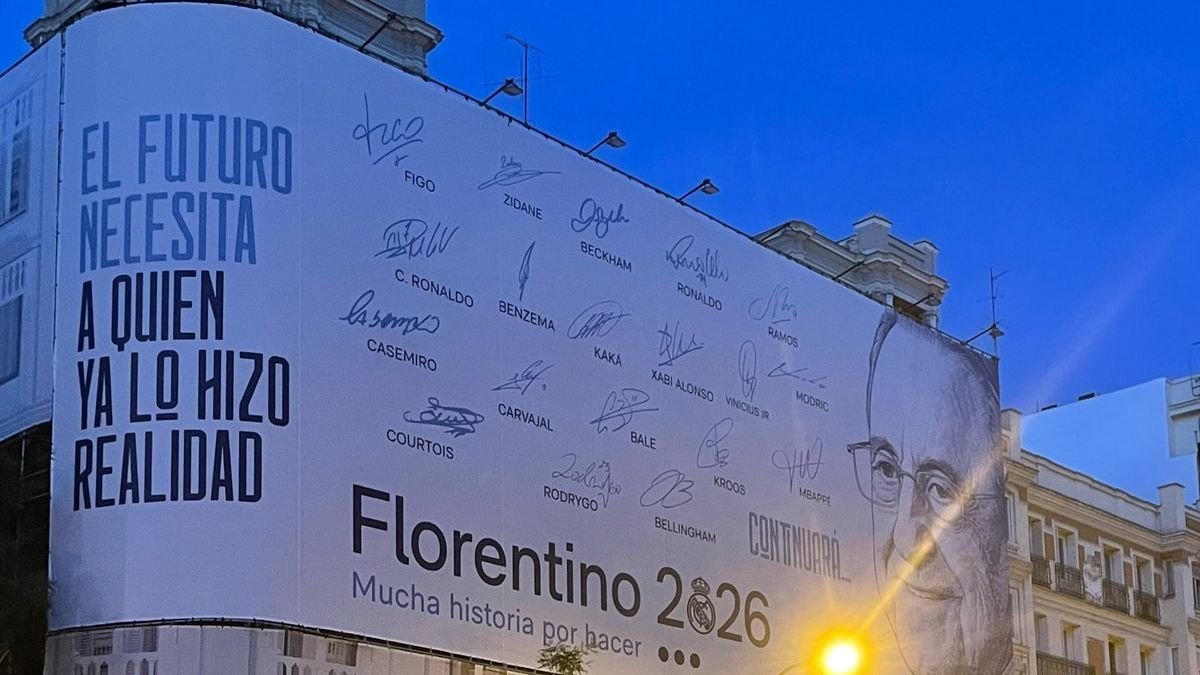
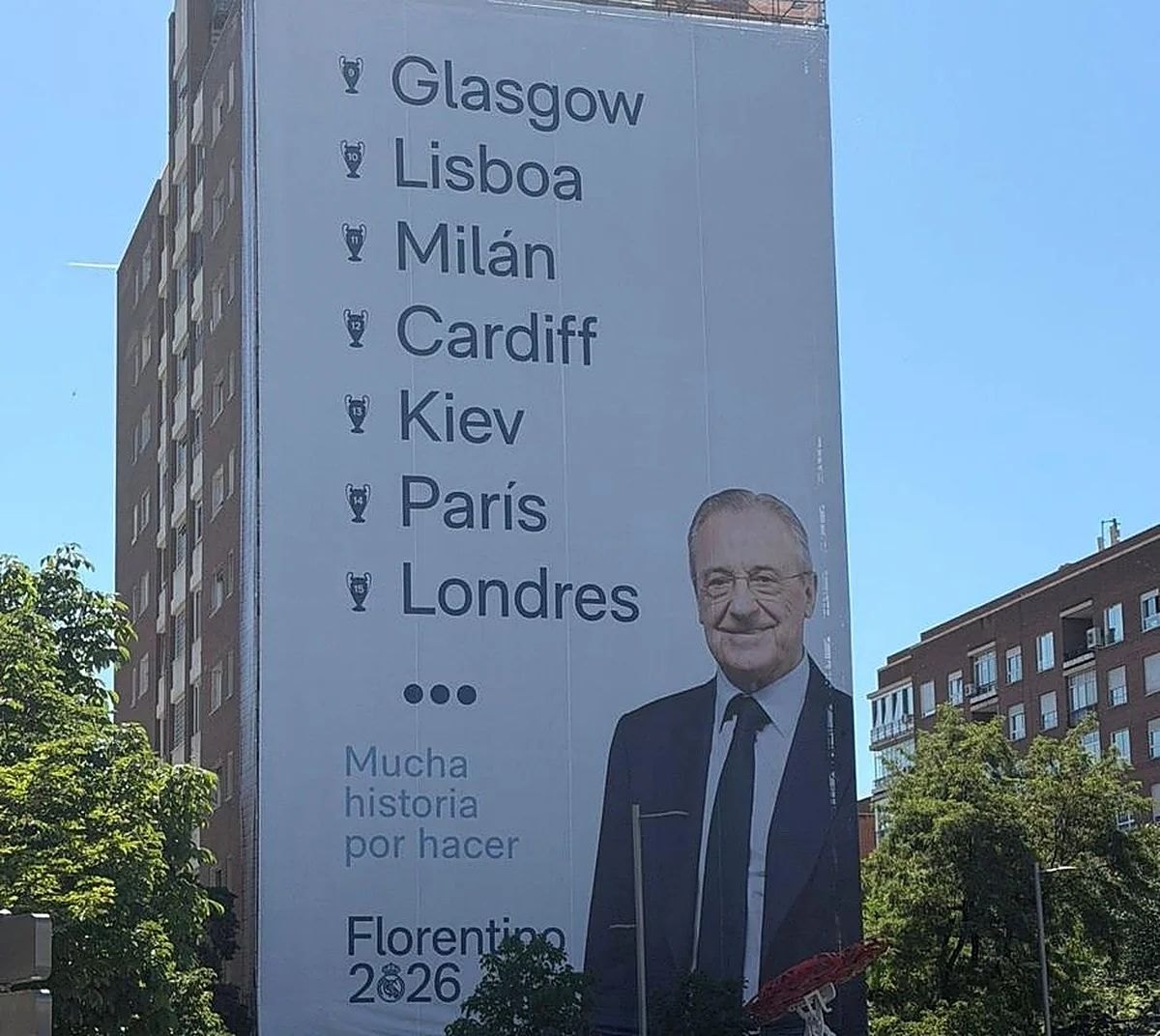
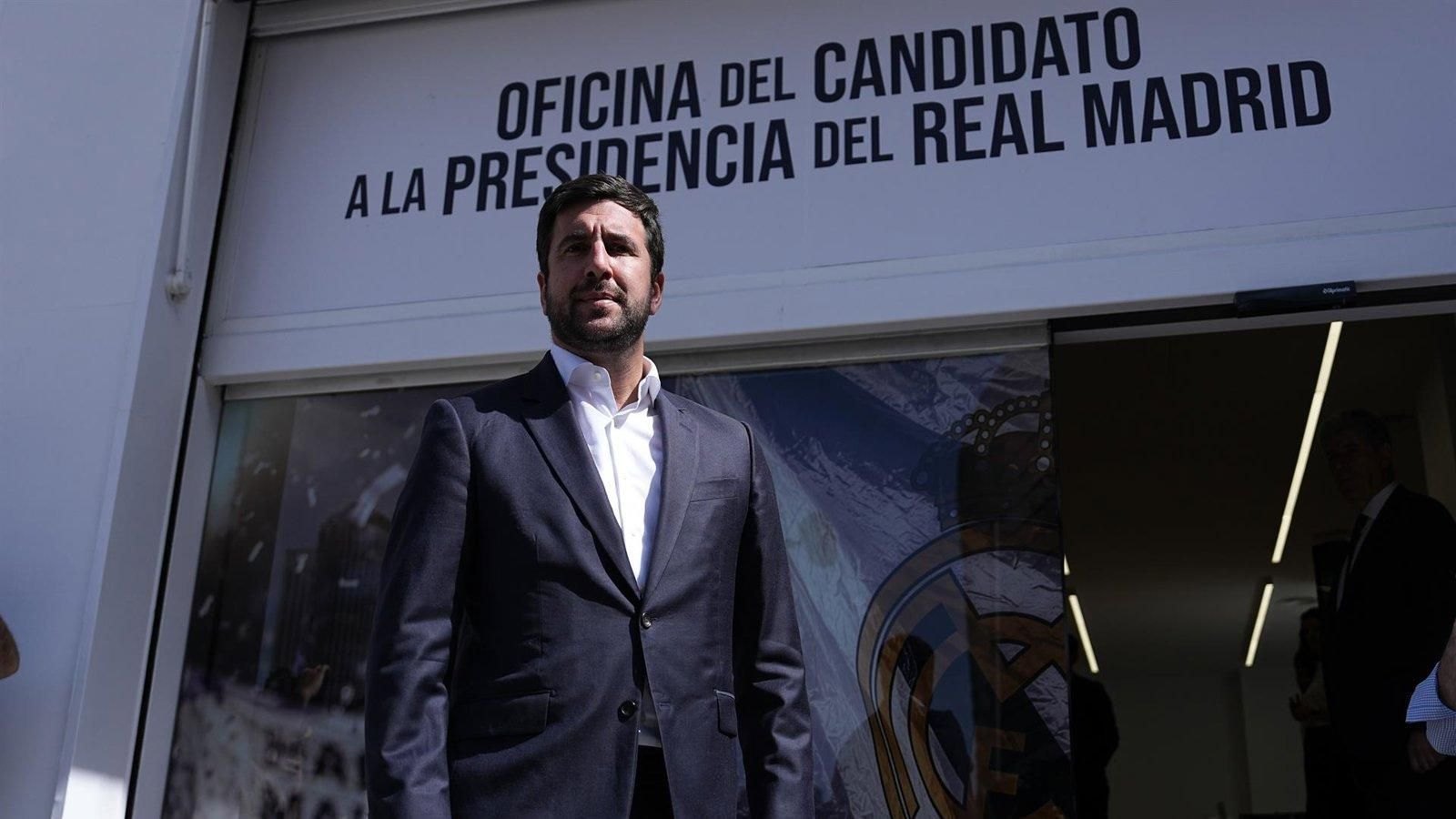
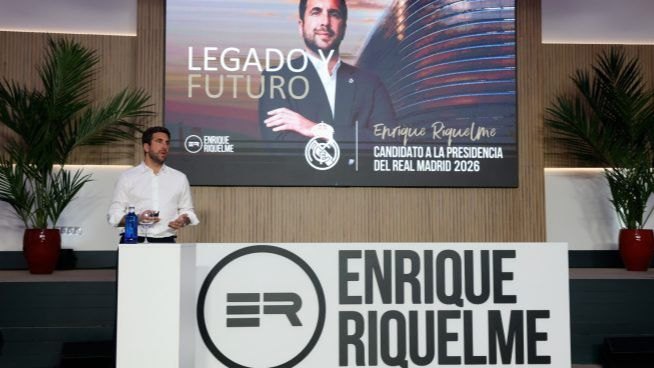
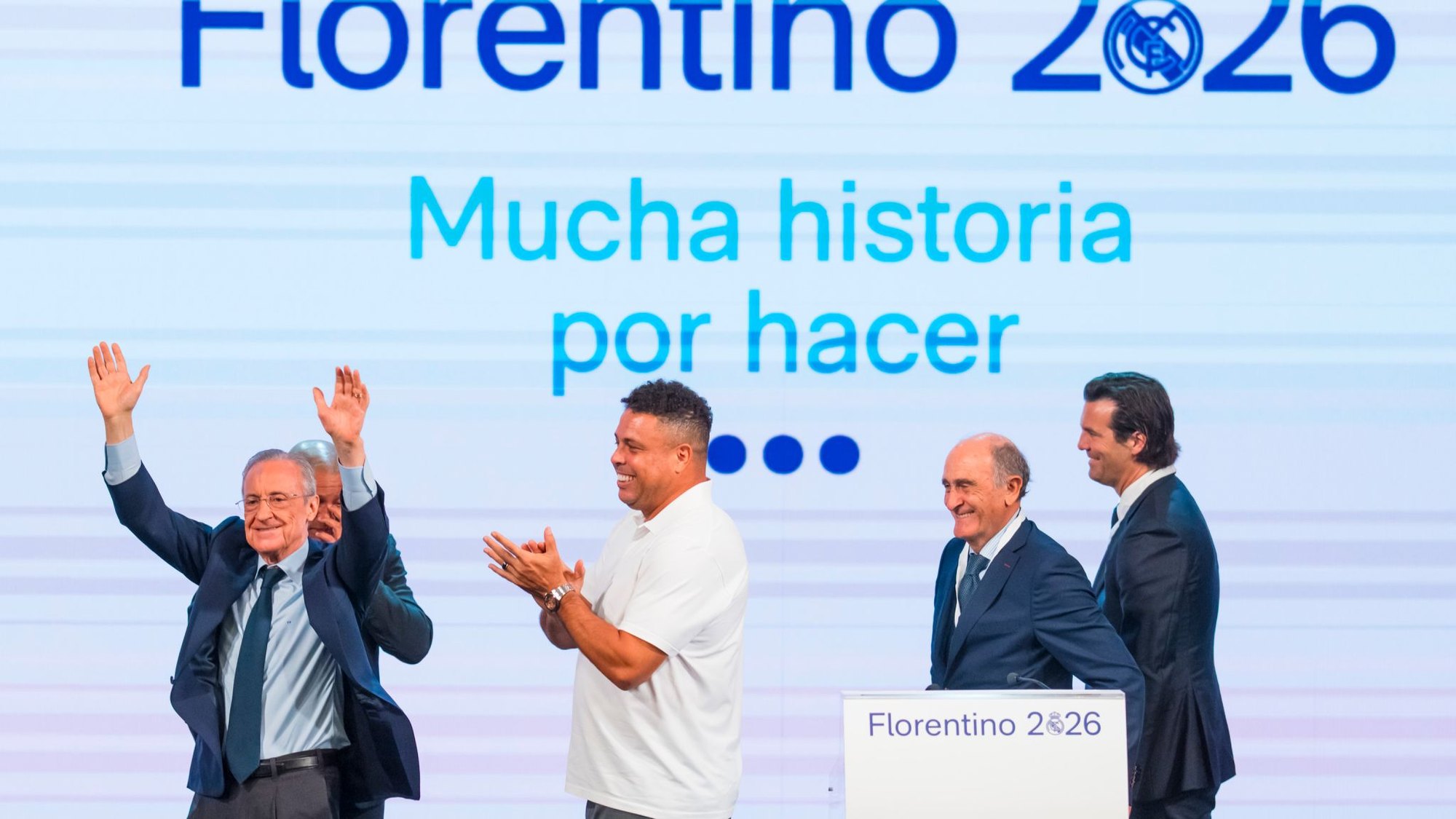
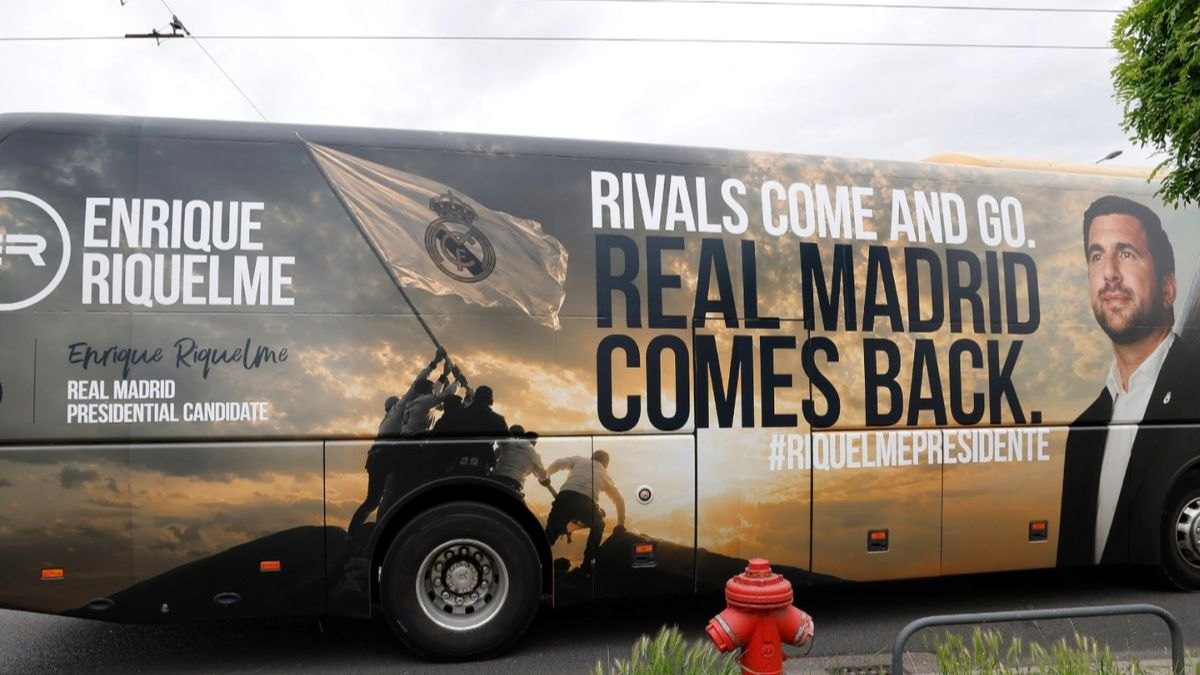
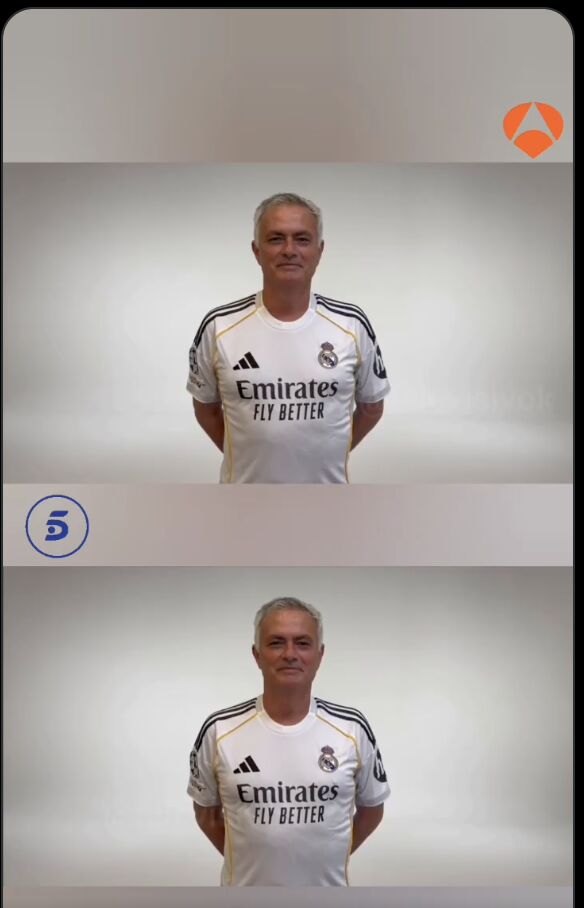
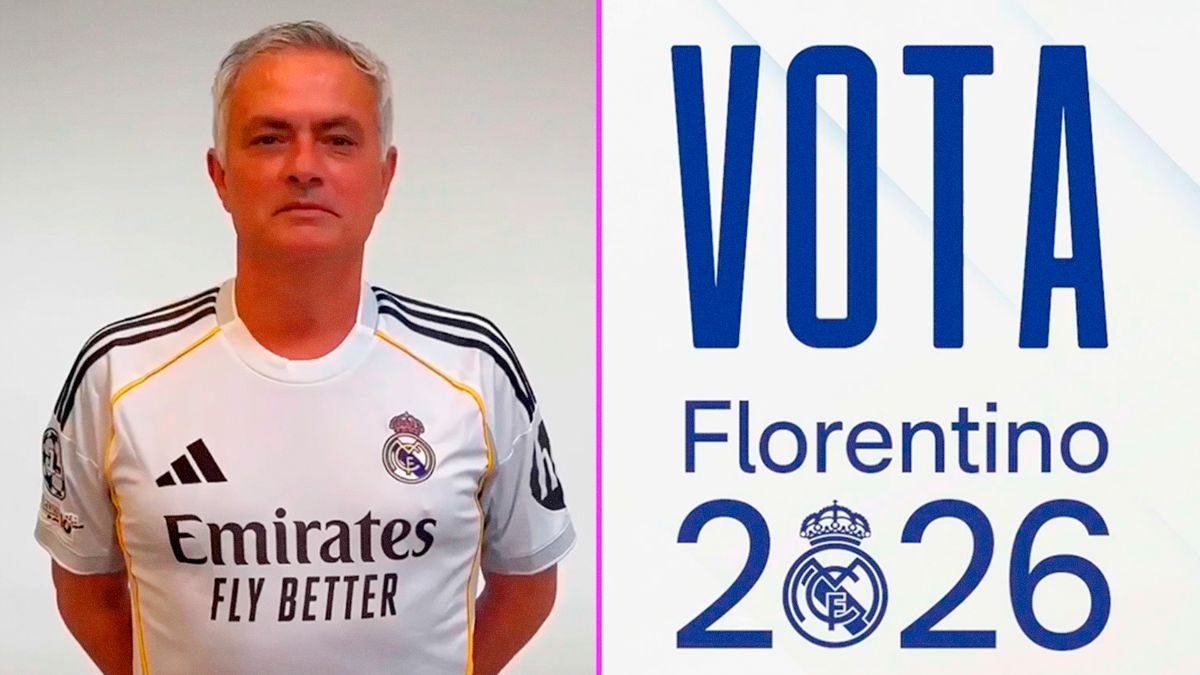
With candidates such as Florentino Pérez (chairman of Grupo ACS) and Enrique Riquelme (chairman of Cox), what unfolded was a high-budget marketing campaign. Each candidate invested around 3 million euros in their election campaigns.
The range of actions on display was worthy of a national political campaign:
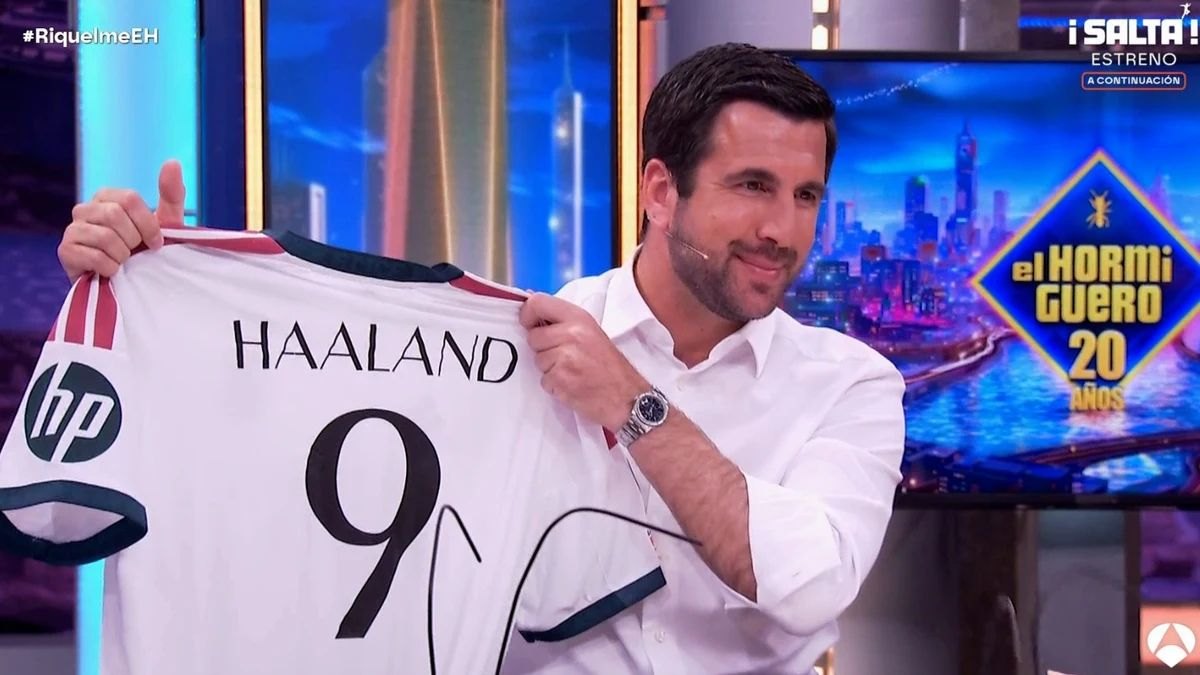
- Appearances on prime-time shows and interviews at peak audience
- Advertising banners all over Madrid
- Direct messages to members in different countries
- Promises made before a notary
- Paying for season tickets and recreational facilities
- Merchandise and personalised letters
- Advertising during key events, including a Champions League final
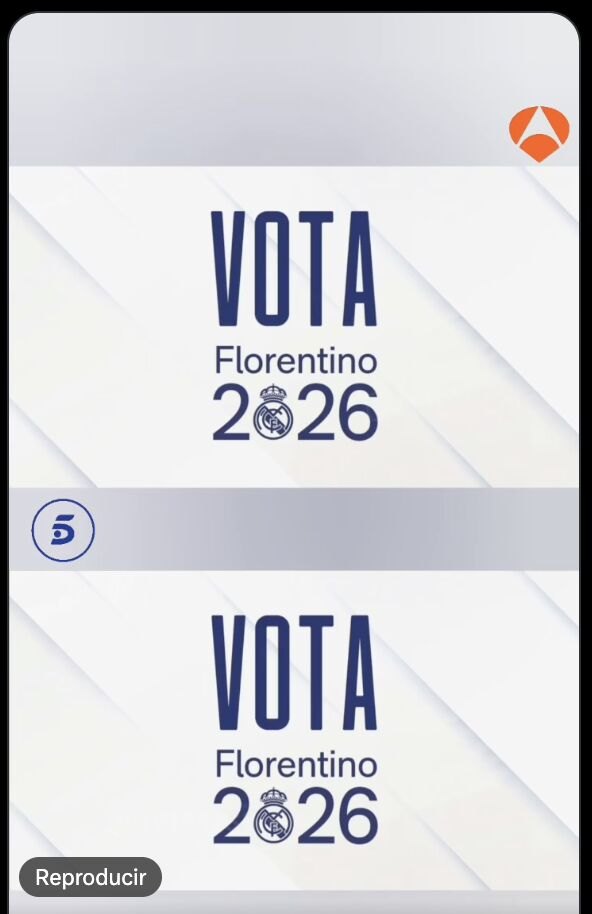
- TV ads with strategic timing
Real Madrid as a global strategic asset
What makes the scale of Real Madrid as a brand unique is that it goes far beyond sport. The club sits down with political and business leaders all over the world. It is relevant in markets where Spanish football has limited presence. It generates media, tourism and economic value for an entire city.
That turns the presidency into a responsibility that goes far beyond managing sporting results. It means managing a national brand asset, a cultural ambassador for Spain around the world.
Brand marketing lessons for any organisation
The Real Madrid case offers valuable lessons for any professional in sports marketing and brand management:
- The brand is bigger than any individual: neither the best president nor the best player can overshadow the institution
- Governance shapes brand perception: Real Madrid's personal-guarantee model conveys seriousness and responsibility
- Election marketing is brand marketing: each candidate was also building or destroying their own personal brand
- Big brand assets write their own rules: Real Madrid can make demands no other sporting institution can
Conclusion: electing a president or choosing the future of a global brand
These elections haven't just been an internal governance process. They have been a public demonstration of everything involved in managing one of the most influential brands on the planet.
When the members of Real Madrid voted, they weren't just electing a president. They were deciding who leads a strategic asset that affects millions of people around the world, generates billions of euros in value and represents Spain in a way few institutions can match.
In sports marketing, there are few better schools than studying how a brand of this scale is managed.
Gallery



Originally published on LinkedIn on 9 June 2026.